
In an article by Kellogg School of Management's Professor Andrew J. Razeghi, the author urges people not to cut back on research and innovation during tough financial times, because these are the areas that are most vital to a company's survival. He cites many examples of product inventions that we now take for granted that came about during the Great Depression because smart and creative people discovered and catered to unmet needs. For example, Miracle Whip was invented during the Depression and marketed as a tasty new dressing to make vegetables and sandwiches more appealing during a time when meat was scarce and expensive. It outsold all other brands of dressing and mayonnaise within six months of its initial launch.
Razeghi's six tips for innovating through economic downturns are:
1. Listen to the market. It's quieter when it's less crowded. Unmet needs abound.There is no better time to invest in user and market research!
2.
Invest in your customers. Now they need you most. Loyalty hangs in the balance.Offer all kinds of services to keep your existing customers loyal to you.
3. Rather than reduce price, offer more value to your customers and demand greater value from vendors.
Reducing prices for the sake of reducing prices only serves to negatively impact the perceived value of your product.
4. Increase communication with your customers.
Don't let up on advertising; studies have shown that it is critical to maintaining sales.
5. Move longer-term projects forward, not back. Now is the time to grab market share.
Improve product quality and invest in new opportunities that will help gain you market share while other companies lost market share by cutting innovation resources.
6. In recession, not all costs are created equal. Maintain or increase investment in "good costs," prune "bad costs," and use judgment on "it depends costs.""Good costs" are marketing, innovation and customer quality. "Bad costs" are fixed and working capital, manufacturing, and general and administrative expenses.
This article (which you can download
here) definitely helps to promote the creative industry as our jobs are to help companies communicate to and develop new products for its customers. Still, part of me wonders if there is data out there that suggests otherwise? Who wants to play Devil's Advocates and do a little more research?

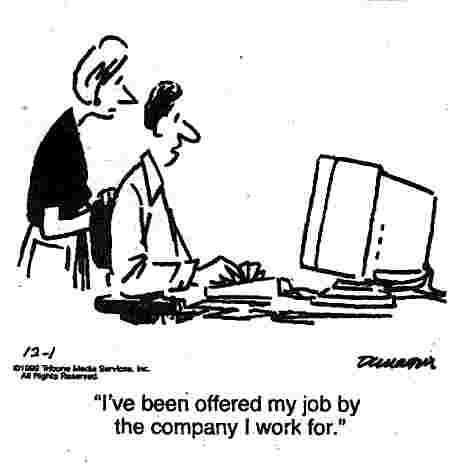 (the following is a summary of the HBR article "How to Protect Your Job in a Recession" by Janet Banks and Diane Coutu)

 Posts
Posts


